The SUSTAINABLE GASTRONOMY certification is awarded after passing an independent evaluation or audit. The criteria are grouped into 8 areas, each of which includes both mandatory and optional requirements. Depending on the level of compliance achieved, different certification levels may be reached.

 Knowing the origin of ingredients Using local, seasonal and/or environmentally or socially certified ingredients Offering tap water
Evaluating the percentage of local, seasonal and/or environmentally or socially certified ingredients used Assessing ingredient purchasing practices Using underutilised ingredients
Knowing the origin of ingredients Using local, seasonal and/or environmentally or socially certified ingredients Offering tap water
Evaluating the percentage of local, seasonal and/or environmentally or socially certified ingredients used Assessing ingredient purchasing practices Using underutilised ingredients
 Separating and identifying waste Monitoring and recording the amount of waste generated Promoting the use of sustainable packaging
Defining and planning waste-reduction strategies Having a plan that prioritises the use of sustainable packaging Assessing the management of discarded furniture and fittings
Separating and identifying waste Monitoring and recording the amount of waste generated Promoting the use of sustainable packaging
Defining and planning waste-reduction strategies Having a plan that prioritises the use of sustainable packaging Assessing the management of discarded furniture and fittings
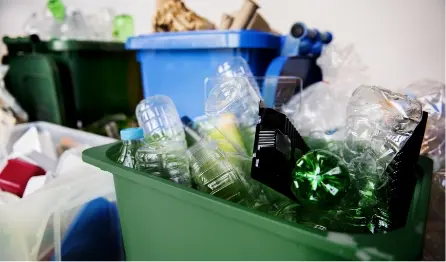 Monitoring and recording food losses Managing organic waste Offering dishes made with underutilised ingredients Giving customers the option to take away uneaten food

 Implementing energy-efficiency measures Assessing the management of owned assets Providing electric vehicle charging points Holding a sustainable design and construction certification





Establishments can achieve different certification levels, depending on the extent to which they meet the optional criteria.